

Building AI for Africa is not enough. We have to think carefully about who it serves in Africa — and who it doesn’t. That is what GRAIN is for.
Imagine a speech recognition system that works reliably for men and poorly for women. Not because the engineers intended it that way, but because the training data (hours of recorded speech) was collected primarily from male speakers. Because the people who built and evaluated the system were primarily men. Because the communities whose voices are least represented in data are often the communities with the least power to demand that their exclusion be corrected.
This is not a hypothetical scenario. It is a documented pattern across commercial speech recognition systems studied repeatedly across different languages and contexts. In January 2026, GRAIN (the Gender and Responsible Artificial Intelligence Network, of which Sunbird AI is a founding member) published a systematic review of bias assessment and mitigation in automatic speech recognition models specifically for African languages. The findings are important, and they extend well beyond ASR.
The Problem
When we talk about bias in AI, we often mean bias in outcomes, like a hiring algorithm that discriminates or a facial recognition system that fails on darker skin tones. These are real and serious issues. However, bias often enters AI systems much earlier: right at the point of data collection.
Data reflects who has had access to the infrastructure that produces it. While internet access in sub-Saharan Africa is growing, the gender digital divide remains among the widest in the world. Women are significantly less likely than men to have a smartphone, use the internet regularly, or have their voices, opinions, and experiences represented in training datasets.
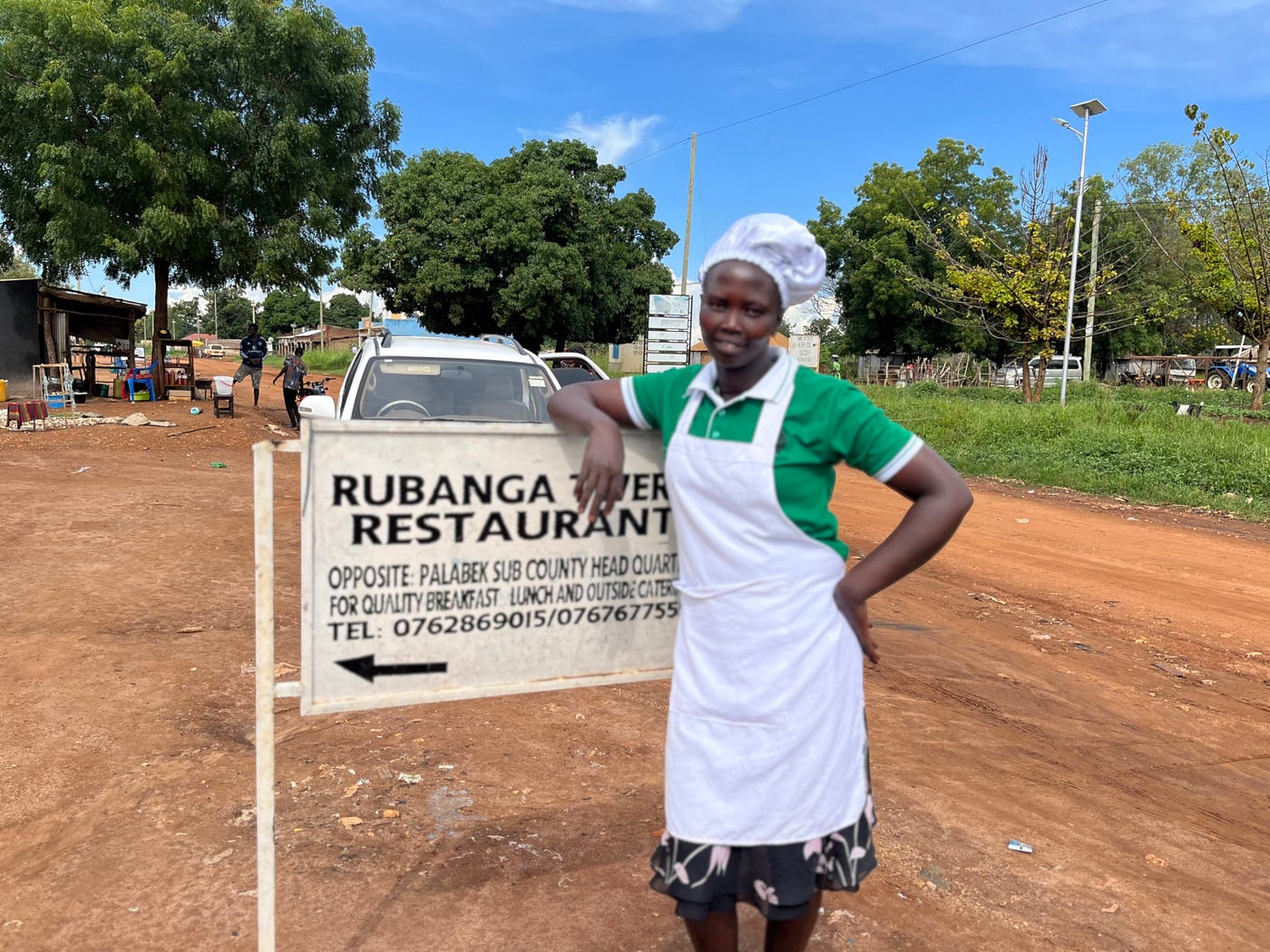
A translation model trained on internet text inherits the biases of who writes online. A speech recognition model trained on recorded audio inherits the biases of whose audio gets recorded. A recommendation system trained on usage data inherits the biases of who gets to use the platform. None of this requires malicious intent; it is the natural consequence of building AI on data that reflects existing inequalities.
In African contexts, this problem is compounded. Most large AI systems were built primarily on data from North America and Europe, where gender dynamics, languages, cultural contexts, and internet-use patterns are completely different. When those systems are deployed in African communities, they carry those biases into new contexts, often without any local evaluation of how they perform or who they serve poorly.
What GRAIN is and why it exists
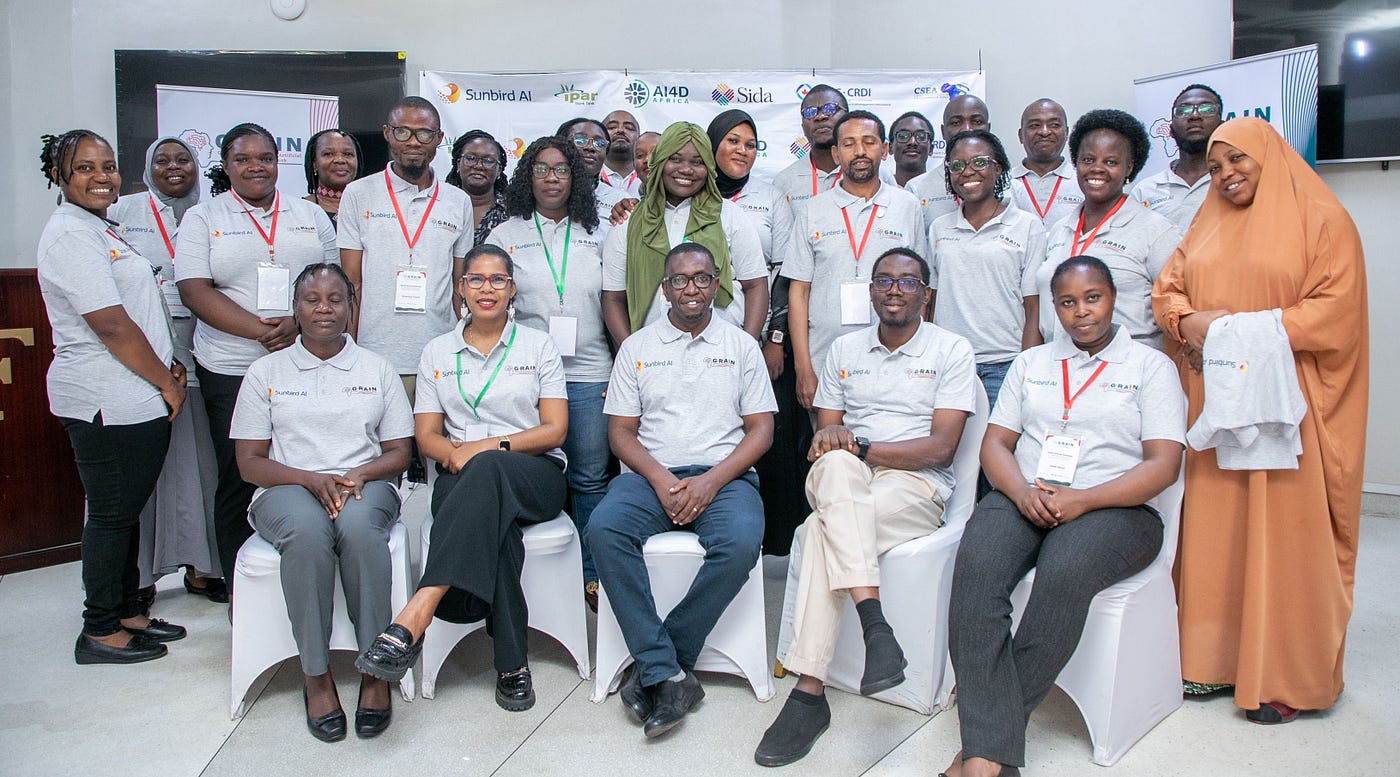
GRAIN (the Gender and Responsible Artificial Intelligence Network) was founded by IPAR (Initiative Prospective Agricole et Rurale, Senegal), CSEA (Centre for the Study of the Economies of Africa, Nigeria), and Sunbird AI (Uganda). It launched in November 2023 as part of the AI4D Africa programme, with support from IDRC and Sida.
GRAIN exists because gender and AI are not separate conversations; they are the same conversation approached from different angles. AI systems shape access to information, services, and economic opportunity.
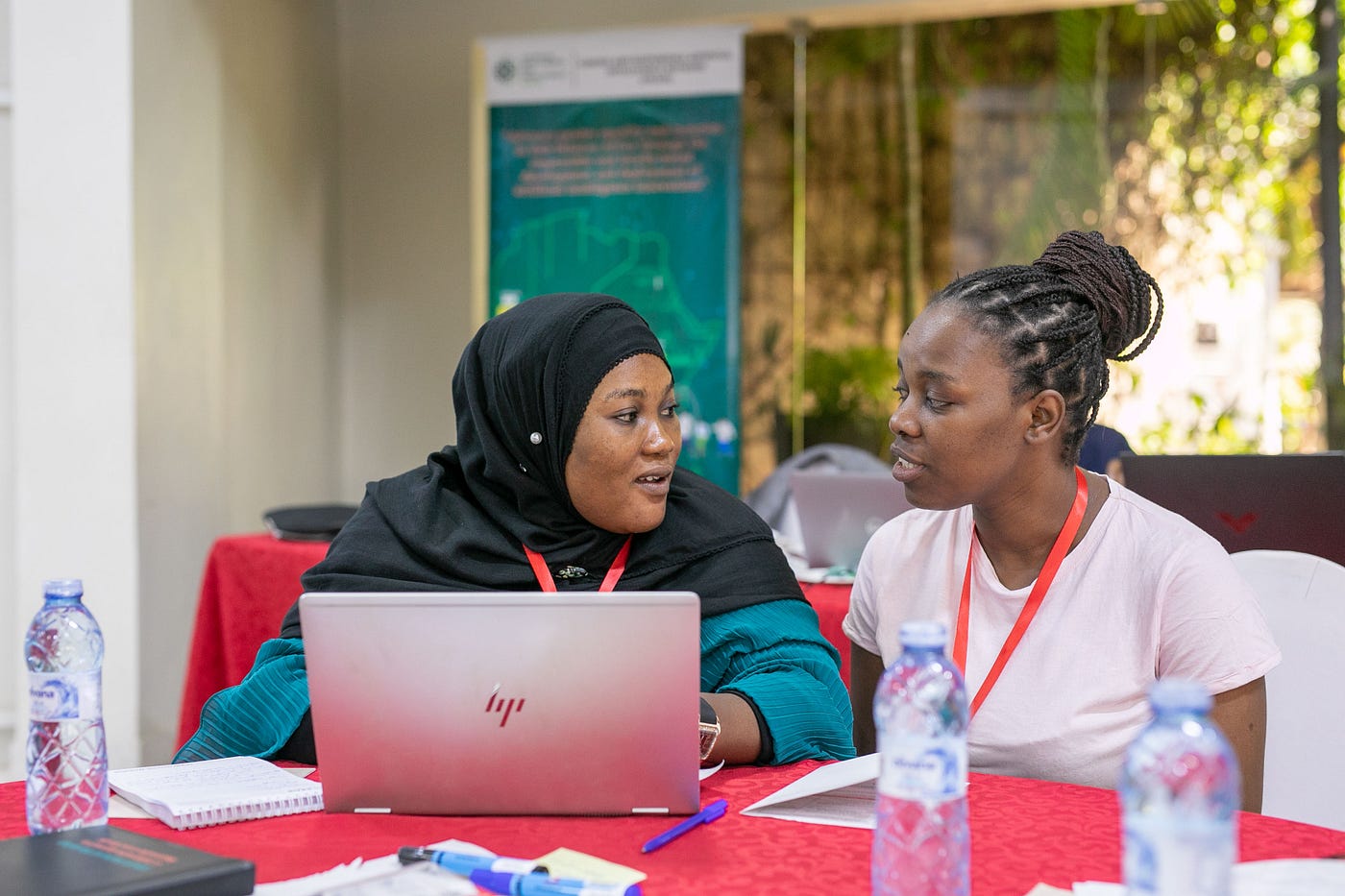
When those systems work less well for women, or when they are deployed in ways that reinforce existing power imbalances, the consequences are not abstract; they are immediate and practical. The network brings together organisations, universities, and research bodies across sub-Saharan Africa working at the intersection of AI, gender, and responsible technology. It funds research, builds capacity, and contributes to the policy conversations that will shape how AI is governed on the continent.
The systematic review published in January 2026 is one example of what that work produces: a rigorous study of how ASR models fail for African languages, and specifically how those failures are distributed. Who does the model work well for? Who does it work poorly for? What are the methodological gaps in existing research? What would a more inclusive approach to ASR development look like? These questions matter for every language AI project — including our very own Sunflower.
What this means for Sunbird AI
We are not in GRAIN as external observers. We are in it because the questions GRAIN asks are the ones we have to answer in our work.
The SALT dataset, which underpins much of Sunbird AI’s language work, was built with careful attention to who contributes to it. We made sure that the voices in our training data represent the communities the models are designed to serve, explicitly including women’s voices, rural voices, and older speakers. That is not just a nice detail; it is the core technical prerequisite for building models that actually work for those communities.
When we trained the Luganda text-to-speech model using crowdsourced voices, we made a deliberate choice: instead of relying on one professional voice actor in a studio, we used the voices of hundreds of community members. The resulting model sounds much closer to the Luganda spoken in homes, markets, and schools, and by design, it naturally incorporates women’s voices. These choices are fundamentally part of the technical work. A speech model trained on a narrow range of voices is a less capable model. A translation model built without attention to representation will have major blind spots. Gender-inclusive AI is not an optional add-on to rigorous AI; it is simply what rigorous AI looks like in practice.
The AI conversation in Africa is growing. More organisations are building locally, more researchers are studying the ecosystem, and more policymakers are taking AI governance seriously.
The central question GRAIN keeps asking, and that the whole field needs to address, is simple: as this ecosystem grows, who is it growing for? Which communities will have access to the AI systems being built? Whose languages will be supported? Whose voices will be in the training data? Whose needs will shape the design decisions?
These are practical engineering, policy, and funding decisions. Getting them right requires deliberate effort, sustained attention, and dedicated networks of people committed to addressing them consistently.
Written by Nimpamya Janat Namara, Communications and Engagement Lead at Sunbird AI.